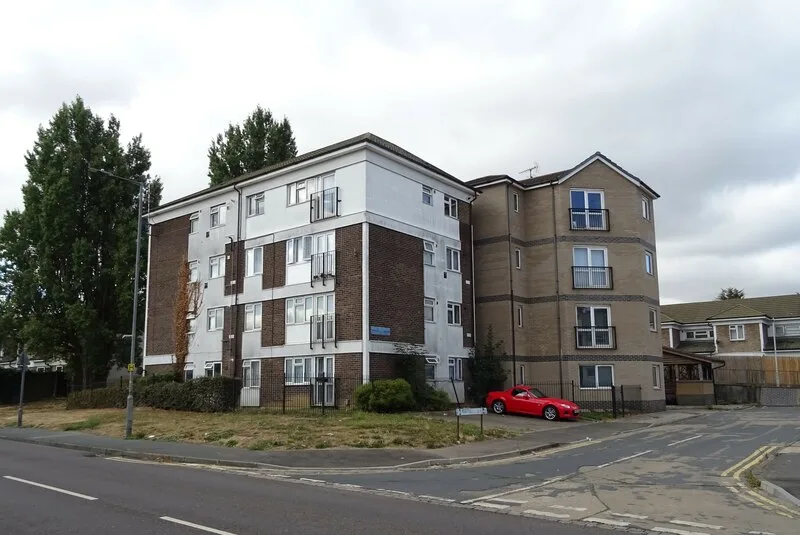

New Basildon council tenants could pay up to 5% above formula rent from April 2027, or 10% in sheltered housing. Current tenants are not affected.
People who move into a Basildon council home from April 2027 could pay more rent than the tenant before them. A draft policy would let the council charge new tenants up to 5% above the government’s formula rent, and up to 10% in sheltered housing.
Existing tenants would not be affected. Their rents would keep rising in line with the government’s annual rent settlement.
The policy also brings in new service charges, starting with the cost of cutting the grass and looking after communal land on council estates. The council expects the changes to raise about £500,000 a year.
What the policy proposes
The report to the Housing Scrutiny Committee on 6 October sets out four changes:
- Rent flexibility on re-lets. When a home falls empty and is let again, the new rent could be set up to 5% above formula rent, or 10% for supported and sheltered housing.
- Affordable Rent on new homes. Newly built and bought homes could be let at Affordable Rent, which can be up to 80% of local market rent. The council would cap it at Local Housing Allowance rates.
- A grounds maintenance charge. Tenants and leaseholders who benefit from communal housing land would pay towards its upkeep, based on actual costs.
- A wider review of service charges in the first quarter of 2027, covering every service the housing account pays for.
Formula rent is the standard social rent the government sets for each property. The report says about 75% of Basildon’s council rents are currently below it, after years of mandatory cuts and caps on rises.
The report says every charge in the policy is eligible for help through Universal Credit or Housing Benefit.
Why the council wants it
The council’s housing budget is under strain. The report says that “like many Councils the Housing Revenue Account is at risk of not being able to set a balanced budget”.
It points to the age of the homes. Much of the housing in the New Town was built in a short burst and now needs major spending, it says, on ageing components, energy efficiency and building safety.
It also argues the current system is unfair. Some estate services are paid for out of the general rent pot, so tenants who never use them help pay for them. The report says the policy means “those who benefit from a service should contribute towards its cost”.
The £500,000 figure is an estimate. The report says it “is yet to be calculated”.
What councillors said
The minutes of the 6 October meeting, now published, record concerns about the effect on future tenants “at a time of continuing cost-of-living pressures and increasing housing demand”.
Councillors also questioned whether they had enough financial information to judge the changes. They suggested more financial modelling and consultation detail before any final decision.
Officers replied that the report set out a policy framework, not specific rent or charge changes. They said similar arrangements are common among councils and housing associations. The minutes say a phased introduction could be considered.
What happens next
- 4 November: the draft goes to the council’s new Tenant Board, according to the minutes.
- Cabinet then has to approve it before it can take effect.
- April 2027: the date the report gives for the policy to start, alongside next year’s housing budget.
Any new service charge would need its own consultation with the tenants and leaseholders affected, the report says. The council is recruiting two extra officers to handle leaseholder service charge consultations.
The same committee agreed unanimously to set up a cross-party working group on temporary accommodation.
What it means for you
- If you already rent from the council, your rent is not affected by the 5% and 10% change. You may be affected by a new grounds maintenance charge if you live by communal land. The council says it will consult before introducing one.
- If you are on the housing register, a home you are offered after April 2027 could cost more than its previous tenant paid.
- If you claim Universal Credit or Housing Benefit, the report says the charges count towards your housing costs.
- To have your say, contact your ward councillor before the Cabinet decision. The council’s housing scorecard shows how its housing service is performing.
Have your say