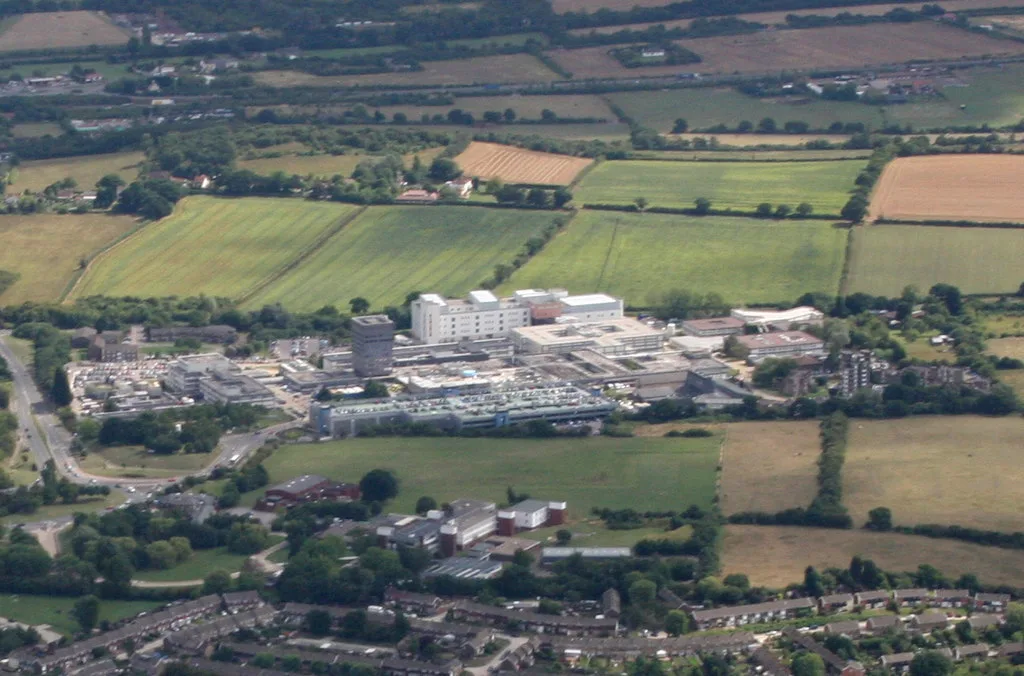

More than 120 Basildon Hospital maternity staff win almost £750,000 after breathing nitrous oxide at up to 30 times the legal limit. Gas and air stays safe for mothers.
More than 120 midwives and maternity staff at Basildon Hospital have won almost £750,000 in compensation. They breathed in nitrous oxide at work, at up to 30 times the legal limit, between 2021 and 2023.
The settlement was announced on Tuesday 13 October by the Royal College of Midwives (RCM). More than 80 of the staff are its members. The union says it is the largest group action ever brought by midwives in the UK.
Mid and South Essex NHS Foundation Trust, which runs the hospital, admitted exposing staff to dangerously high levels of the gas, according to the RCM. The staff’s solicitors, Thompsons, describe it as “a full admission of liability”. The trust had published no statement on its own news page when we checked on Sunday.
What went wrong on the maternity unit
The RCM says the gas built up because of poor ventilation on the unit, and leaking gas lines and equipment. The timeline it gives:
- June 2021: tests found dangerous levels of nitrous oxide.
- October 2022: staff were told, more than a year later.
- 2023: measures to cut exposure came in, including better ventilation and guidance on taking regular breaks.
- October 2026: the settlement of almost £750,000 was agreed.
Many staff reported fatigue, anxiety, headaches and “brain fog”, the union says.
The RCM also took its concerns to the Health and Safety Executive. It says the HSE issued a notice of contravention against the trust.
Gas and air is still safe for mothers
Nitrous oxide is the main part of gas and air, also sold as Entonox. Both the union and the solicitors stress the case was about the working conditions, not the pain relief.
“We want to be absolutely clear to women and families: gas and air is safe and remains an important choice of pain relief during labour,” said Gill Walton, the RCM’s chief executive. “This case was about the conditions midwives were working in, not the gas itself.”
The difference is the length of exposure. A woman uses gas and air for a short time in labour. Staff on the unit breathed it over long shifts, year after year.
What the union and the lawyers said
Ms Walton said: “Even once the problem had been discovered, it was more than a year before staff were told. That is simply not acceptable and no midwife should ever be treated that way.”
She said the RCM’s members still report recurring problems with ventilation and clean air systems, which it is taking up locally. “They must be fixed, in Basildon and in every maternity service across the UK,” she said.
Daniel Poet, a partner at Thompsons Solicitors, said: “The Trust knew about the dangers in 2021, but staff weren’t told until the following year and it took another year for safety measures to be introduced. That delay is unacceptable.”
He said Thompsons believed the extreme levels “were confined to this one hospital”.
What it means for you
- If you are giving birth at Basildon, gas and air remains available and both the union and the solicitors say it is safe for you to use.
- If you work in a maternity unit and are worried about exposure to a chemical at work, the RCM’s advice is to raise it with your union representative or employer first, and to get legal advice if your concerns are not dealt with.
- The settlement covers the staff in this claim only. The RCM’s release does not say how the sum is split between them.
Basildon Hospital was in the news for better reasons last week, when Polly’s Pad reopened for families of children on the wards.
Have your say